-
Continue reading →: Self-Recognition as a Path to Knowledge of the Divine: A Shiʿi Theological Framing
Abstract: A well-known maxim in the Islamic tradition states that knowledge of the self conduces to knowledge of the Lord. This essay presents a Shiʿi metaphysical and epistemological account of that claim. First, it situates the maxim “man ʿarafa nafsahu faqad ʿarafa rabbahu” within the hadith record, noting issues of…
-
Continue reading →: The Inner Lives of Men Who Are Not Macho
Masculinity, Mourning, and the Emotional Inheritance of South Asian Men Fifth of Muharram. Some inherit wealth. Others inherit silence. Salam Across the emotional landscape of the South Asian subcontinent, silence is less an absence than a method. It is taught, rehearsed, and inherited. In its most intimate form, it arrives…
-
Continue reading →: On the Burden of Articulated Grace: Performing Stability
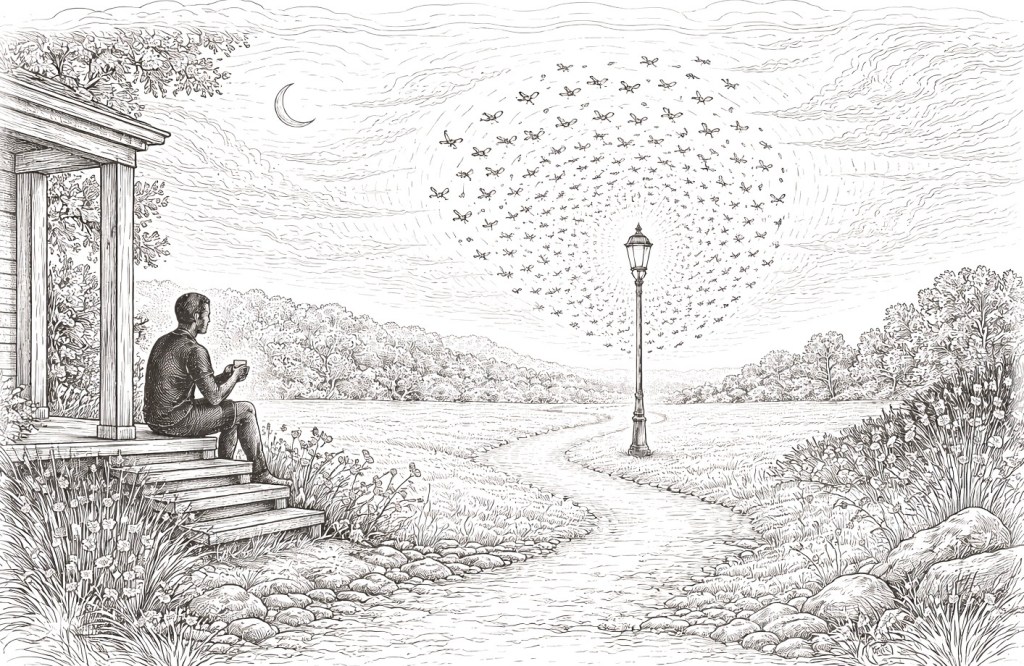
People often come to me with their questions. Not the grand, philosophical ones, but the smaller, harder ones: Why can’t I feel present anymore? What if I’m making the wrong choice and I won’t know until it’s too late? How do I keep pretending everything’s fine when it isn’t? And…
-
Continue reading →: Pain as Commentary, Stillness as Tafsir: On Ideas, Pain, and the Architecture of Presence
First of Muharram, from the house of ancestral echoes Salam Early this morning, while lying almost motionless from a flare of spondylitis that has rendered me nearly immobile, I watched a brief video by Mufti Abu Layth. The reflection was casual, but it carried within it a line I had…
-
Continue reading →: On Chronostatic Inversion: Temporal Disintegration in the Dying Mind
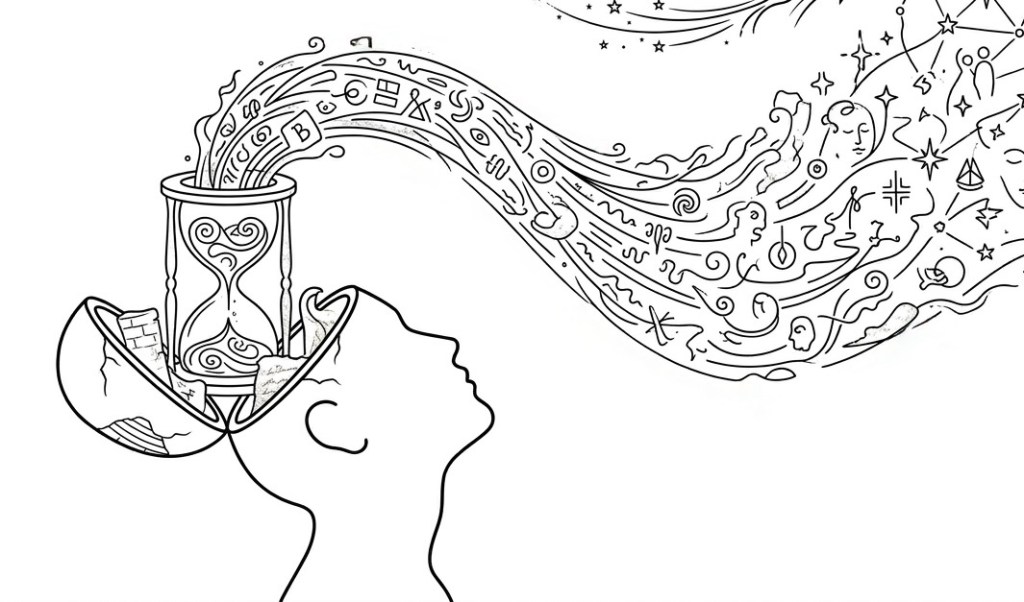
I do not fear death. Death, if anything, appears to me as a resolution. An ontological closure of the lived question. It is not the cessation of being that disturbs me, nor the impossibility of experience beyond it. What unsettles me, what returns in thought with a kind of recursive…
-
Continue reading →: The Anarchic Pulse of Desire: Capitalism, Schizophrenia, and the Mirage of Escape
The first time I saw Deleuze and Guattari’s work, I was twelve years old. Anti-Oedipus sat strangely prominent on my sister’s bedside table, who, at eighteen, was already absorbed in things I didn’t yet have the language to understand. I remember the cover, the strange title, the way the book…
Greetings,
Paimana is a space for critical thought and discourse in philosophy, physics, medicine, religion, literature, and perfumery.
Let’s connect
Join the newsletter!
Stay updated with our latest essays
 Paimana